%2Ffit-in%2F250x250%2Fguide_websites%2F34631%2Fimages%2F1750307888580chatgptimagejun19202512_37_37pm.png&w=1200&q=100)
/users/d1e5d016-4c39-4174-abaf-c30c8a660ba1/ratecard/img_5056-mlcsjf76.jpg)
%2F300x300%2Fusers%2Fd1e5d016-4c39-4174-abaf-c30c8a660ba1%2Fratecard%2Fimg_5056-mlcsjf76.jpg&w=256&q=75)
%2F300x300%2Fusers%2Fd1e5d016-4c39-4174-abaf-c30c8a660ba1%2Fimages%2Fbonefish-caught-miami-3093.jpg&w=256&q=75)
%2F300x300%2Fusers%2Fd1e5d016-4c39-4174-abaf-c30c8a660ba1%2Fimages%2Fpermit-fish-miami-3234.jpg&w=256&q=75)
%2F300x300%2Fusers%2Fd1e5d016-4c39-4174-abaf-c30c8a660ba1%2Fimages%2Fpeacock-bass-florida-2687.jpg&w=256&q=75)
%2F300x300%2Fusers%2Fd1e5d016-4c39-4174-abaf-c30c8a660ba1%2Fimages%2Ffishing-trip-miami-2665.jpg&w=256&q=75)
%2F300x300%2Fusers%2Fd1e5d016-4c39-4174-abaf-c30c8a660ba1%2Fimages%2Ffishing-in-miami-2765.jpg&w=256&q=75)
%2F300x300%2Fusers%2Fd1e5d016-4c39-4174-abaf-c30c8a660ba1%2Fimages%2Fmiami-coastal-fishing-trip-2789.jpg&w=256&q=75)
%2F300x300%2Fusers%2Fd1e5d016-4c39-4174-abaf-c30c8a660ba1%2Fimages%2Fgrey-snapper-miami-fishing-3117.jpg&w=256&q=75)
%2F300x300%2Fusers%2Fd1e5d016-4c39-4174-abaf-c30c8a660ba1%2Fimages%2Ffishing-adventure-florida-3591.jpg&w=256&q=75)
%2F300x300%2Fusers%2Fd1e5d016-4c39-4174-abaf-c30c8a660ba1%2Fimages%2Ffishing-adventure-fl-3518.jpg&w=256&q=75)
%2F300x300%2Fusers%2Fd1e5d016-4c39-4174-abaf-c30c8a660ba1%2Fimages%2Fpeacock-bass-fishing-miami-3197.jpg&w=256&q=75)
Biscayne Bay Inshore Fishing: Half-Day Adventure
 Miami, FL
What you will be catching:
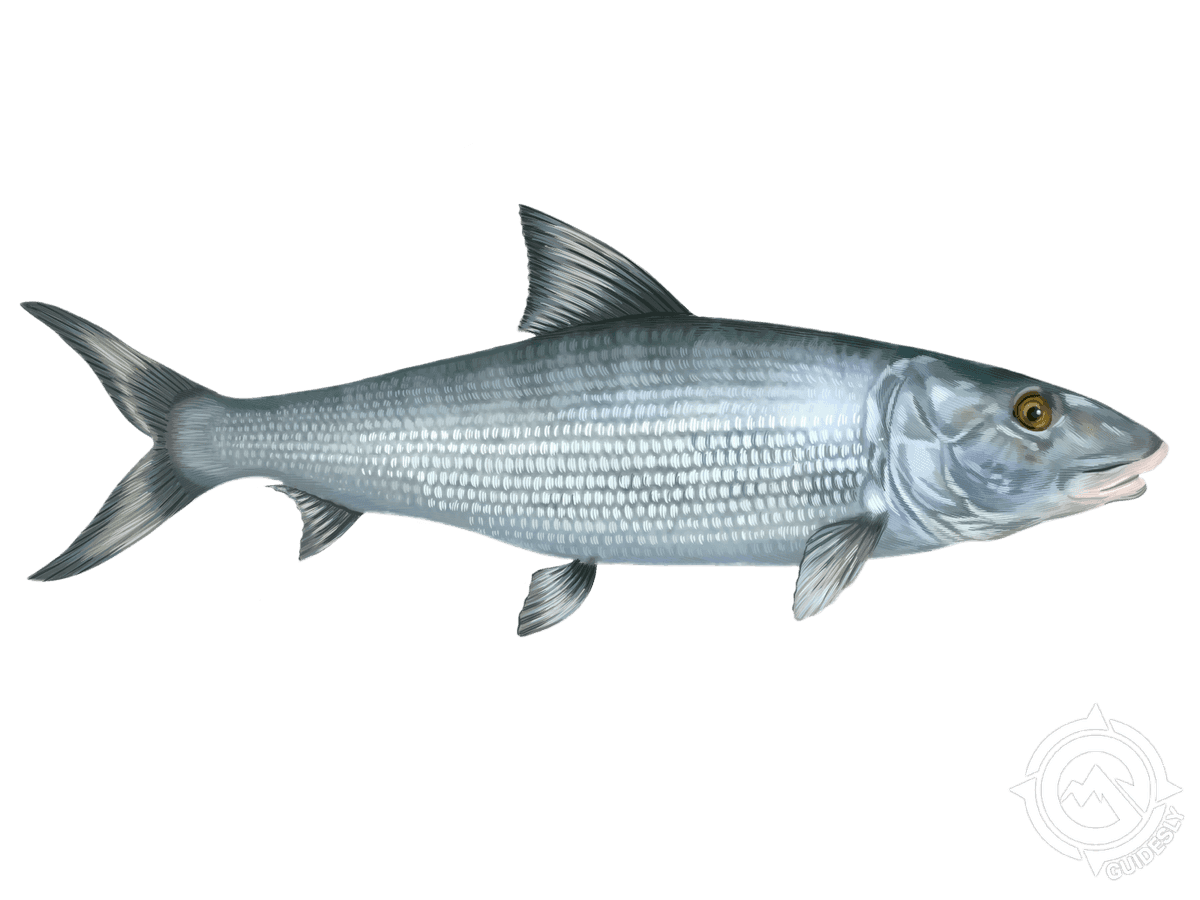
 Bonefish
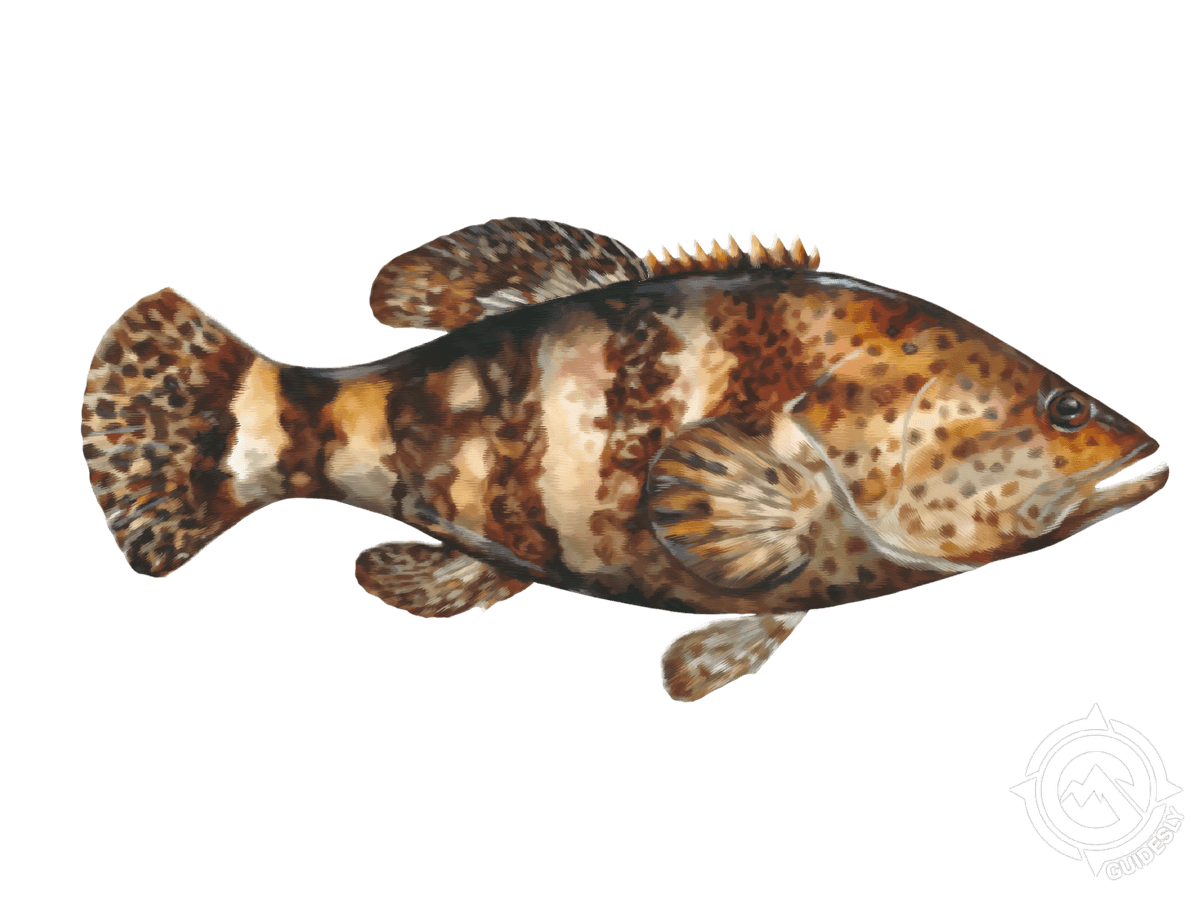
 Goliath Grouper
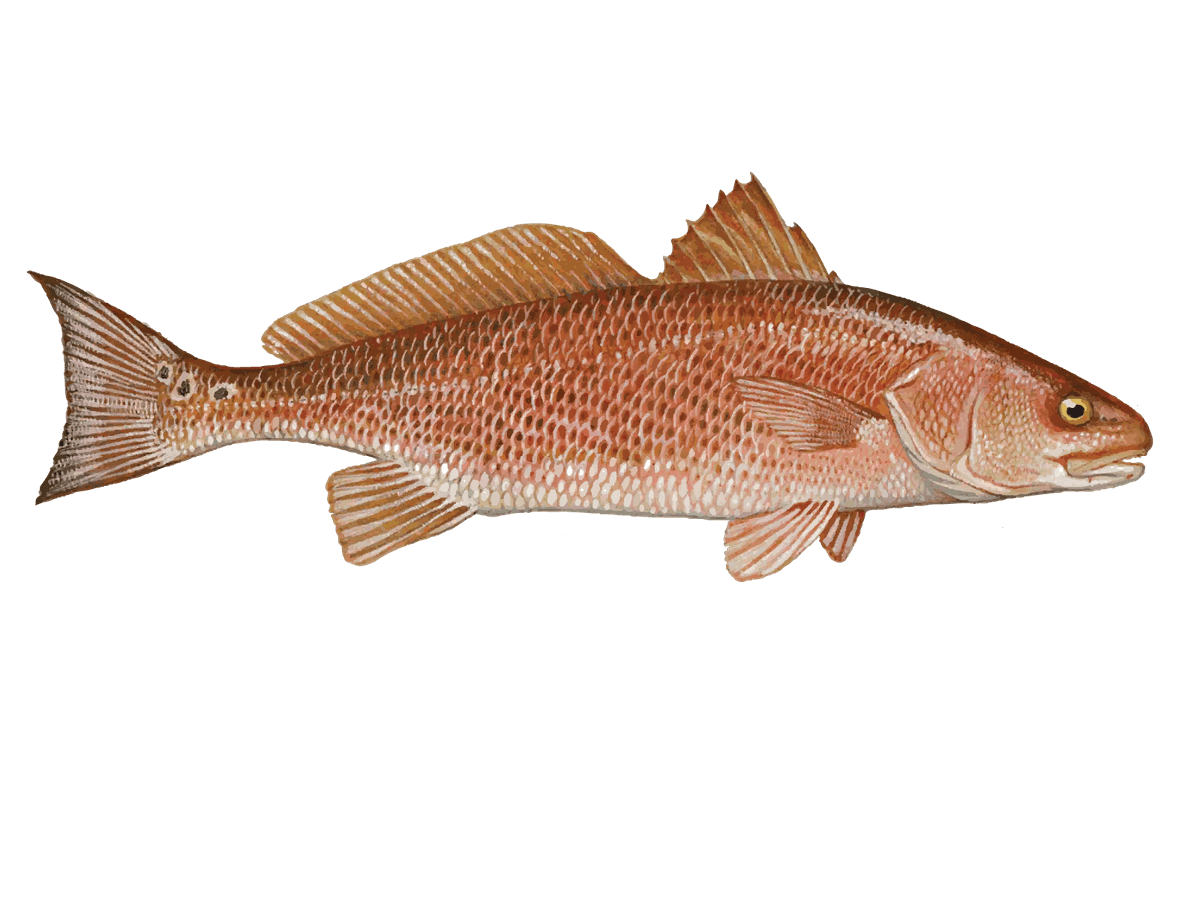
 Redfish
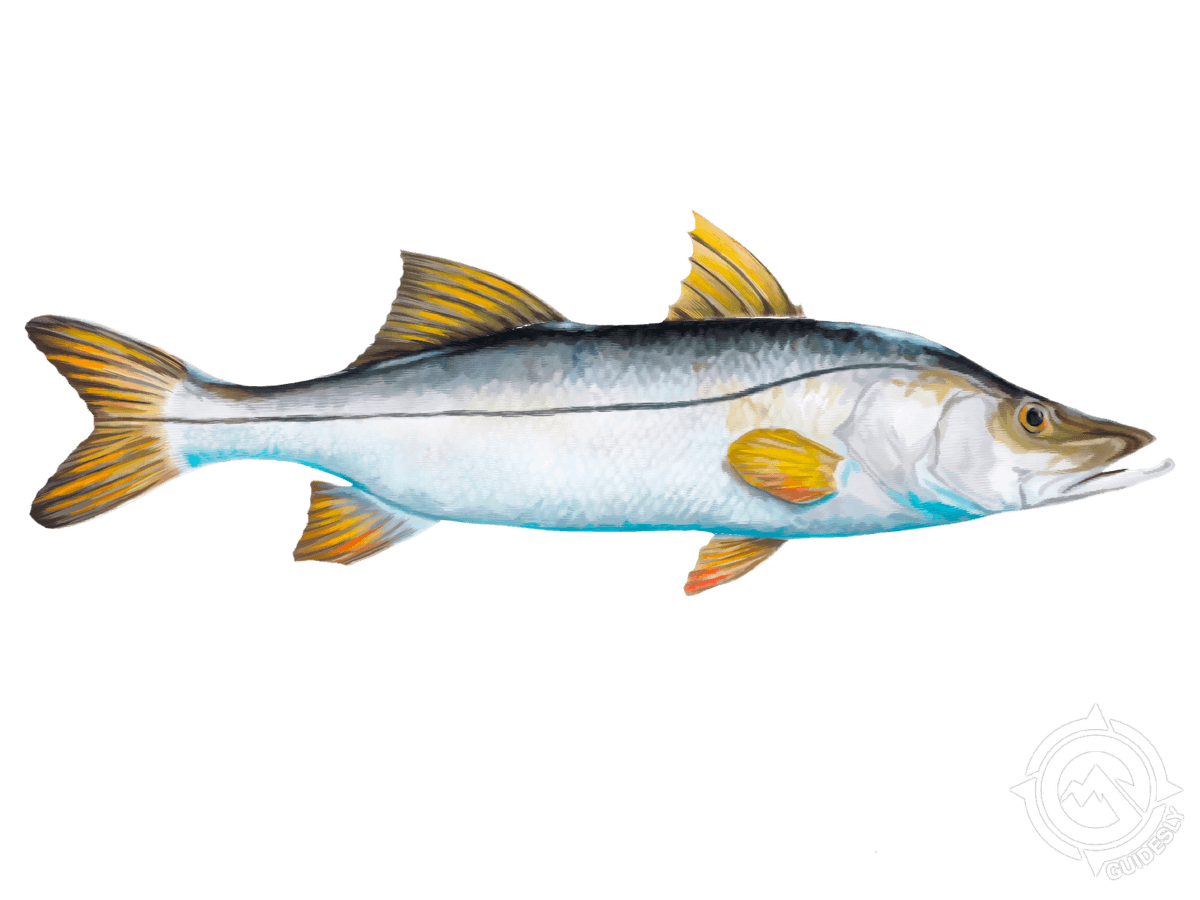
 Snook
Snook Tarpon
- Expert-guided inshore charter targeting snook, tarpon, redfish, and bonefish
- Sight fishing techniques across Biscayne Bay and Everglades National Park
- Private charter with provided gear, location adjustments based on conditions
Trip Pricing and Availabilities:
Half Day Inshore Saltwater Fishing
Captain Erich knows these waters like the back of his hand, and he's ready to show you why Biscayne Bay and Everglades National Park are considered some of the best inshore fishing destinations in South Florida. This half-day adventure puts you right in the middle of world-class flats fishing, where crystal-clear water meets some of the most sought-after gamefish on the planet. Whether you're a first-timer who's never held a rod or a seasoned angler looking to dial in your sight fishing skills, this private charter delivers exactly what you're after. With just 1-2 guests max, you'll get personalized instruction and prime positioning on every cast without dealing with crowded party boats or rushed schedules.
What to Expect on the Water
Your day starts with Captain Erich reading the conditions – tide charts, wind direction, water temperature, and recent fish movement all factor into where you'll spend your time. Some days that means poling shallow grass flats where you can sight-cast to tailing redfish, other days it's working creek mouths where snook are ambushing baitfish on the incoming tide. The Everglades backcountry offers endless creeks and mangrove shorelines, while Biscayne Bay provides expansive flats and channels that hold different species throughout the tidal cycle. This isn't a run-and-gun operation – it's about understanding fish behavior and putting you in the right spot at the right time. All light spinning gear is provided, perfectly matched to the conditions and target species. Captain Erich focuses heavy on instruction, so you'll learn to read water, understand structure, and improve your casting accuracy while actually catching fish.
Techniques and Tackle
Light spinning gear is the name of the game here, typically 2500-3000 series reels spooled with 10-15lb braid and 15-20lb fluorocarbon leaders. You'll be throwing everything from live shrimp under popping corks to soft plastic jigs bounced along grass edges. When the bite calls for it, Captain Erich might have you working topwater plugs over shallow flats or pitching DOA shrimp tight to mangrove roots. The techniques vary based on species and conditions – sight fishing requires different skills than blind casting structure, and Captain Erich walks you through each approach step by step. Polarized sunglasses are essential for spotting fish in shallow water, and the boat stays positioned with either the trolling motor or push pole to keep noise down and maintain perfect casting angles. This is technical fishing that rewards patience and precision over brute force.
Species You'll Want to Hook
Snook are the kings of these waters, especially around mangrove shorelines and creek mouths where they ambush prey during tidal changes. These fish are notorious for their explosive strikes and acrobatic fights, often jumping multiple times before you get them to the boat. Best action typically happens during warmer months from April through October, though resident fish can be caught year-round in deeper creeks. What makes snook special is their intelligence – they're spooky, structure-oriented fish that will test your casting accuracy and drag settings equally.
Goliath Grouper represent the heavy hitters of the flats, with fish ranging from juvenile 20-pounders to absolute giants pushing 200+ pounds. These prehistoric-looking fish hang around structure like dock pilings, bridges, and rocky outcroppings throughout Biscayne Bay. Summer months bring the best action when they move into shallower water to spawn. Landing one is less about the fight and more about the pure adrenaline rush of hooking into something that outweighs you – just don't expect to win every battle.
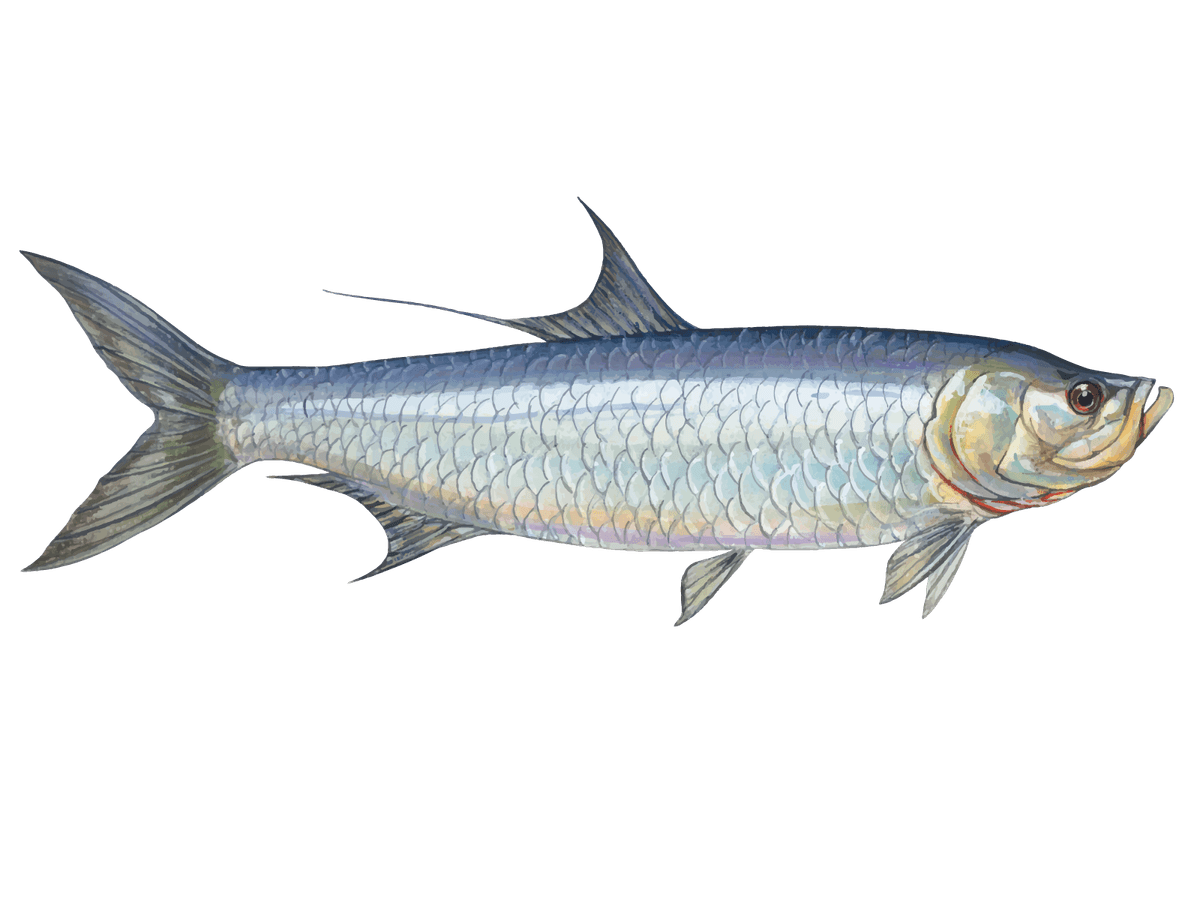
Tarpon season runs hot from April through August, when these silver kings roll through South Florida waters in massive schools. Baby tarpon in the 10-30 pound range provide non-stop action in the backcountry, while larger fish up to 100+ pounds patrol the deeper edges of the bay. Nothing prepares you for a tarpon's first jump – they launch completely out of the water, gill plates flaring, trying to throw your hook. Even small ones will humble experienced anglers with their stamina and aerial displays.
Redfish are the bread and butter of shallow water fishing here, with fish ranging from schooling juveniles to hefty 30+ inch bulls. These copper-colored fighters are perfectly adapted to grass flats and oyster bars, where they root around for crabs and shrimp with their tails sticking up above the surface. Peak season runs from fall through early spring when cooler water temperatures trigger aggressive feeding. Reds fight with bulldogging power rather than speed, making long runs that test your drag system.
Bonefish represent the ultimate sight fishing challenge – these spooky, silvery ghosts cruise shallow flats in small groups, requiring perfect presentations and absolute stealth. South Florida bones typically run smaller than their Bahamas cousins, averaging 3-6 pounds, but they make up for size with wariness and speed. Once hooked, they make blistering runs that can strip 100+ yards of line in seconds. Spring and summer offer the most consistent action when water temperatures climb into the upper 70s and 80s.
Time to Book Your Spot
Captain Erich's half-day inshore trips consistently rank as customer favorites because they deliver exactly what's advertised – quality fishing instruction in some of the most renowned flats fishing waters in the world. Whether you book Biscayne Bay or the Everglades backcountry, you're getting access to fisheries that many anglers travel thousands of miles to experience. The private charter format means no compromises on where you fish or how long you spend working productive water. All gear is top-rated and perfectly matched to local conditions, and the instruction you'll receive will improve your fishing for years to come. Keep in mind that deposits are non-refundable, so make sure your
Learn more about the species
Bonefish
Bonefish are the ghosts of the flats - silver, torpedo-shaped fish averaging 3-8 pounds that seem to vanish before your eyes. They cruise grass flats and sandy areas in just inches of water, often "tailing" with their heads down feeding on crabs and shrimp. Cooler months bring better fishing as water temps drop into the 70s. What hooks anglers is the challenge - these fish are incredibly spooky and will bolt at the slightest movement or bad cast. When hooked, they make blistering 100+ yard runs that'll empty your reel fast. They're mostly catch and release due to being bony and the sport value. The key is staying low, making long, accurate casts, and approaching from downwind. Watch for their shadows or nervous water rather than trying to spot the fish directly - it's often easier to see.
Goliath Grouper
Goliath Grouper are massive fish that can reach 6+ feet and several hundred pounds - true giants of the flats. These prehistoric-looking fish hang around structure in 20-150 feet, especially wrecks, ledges, and deep holes. They're protected, so it's strictly catch and release, but that first pull will test your gear and your grip on the boat. Summer months bring the best opportunities when they gather in spawning areas. What draws anglers is the sheer power - imagine hooking into a small car that doesn't want to move. They're curious fish that will actually approach divers and boats. The key to landing one is heavy tackle and keeping them away from structure on that initial run. Once they dig in near a wreck or ledge, the fight's usually over.
Redfish
Redfish are copper-colored bruisers that average 20-30 inches, easily spotted by those distinctive black spots near their tails. They love super shallow water - sometimes so skinny their backs stick out. Look for them around oyster bars, grass flats, and mangrove shorelines where they root around for crabs and shrimp. Fall and spring offer the best action when they school up in large groups. What makes reds so popular is their willingness to eat topwater lures and their bulldogging fight - they'll pull steady and hard rather than jump. They're also excellent eating with sweet, flaky meat. These fish aren't spooky like some species, so you can get pretty close. Pro tip: when you see them tailing with their heads down feeding, cast your bait right in front of their nose - they're focused on food and will usually grab it.
Snook
Snook are one of South Florida's premier inshore game fish, averaging 1-3 feet with that signature black lateral line running down their golden sides. They love structure - mangroves, docks, bridges, and creek mouths where they ambush baitfish. These fish are ambush predators with wide tails built for explosive bursts when they strike. Spring through fall offers the best action, especially around new and full moons when they're most active. What makes snook so popular is their aggressive strike and hard fight - they'll jump, run, and try every trick to throw the hook. Plus, they're excellent table fare with firm, white meat. One key tip: always keep your rod tip down when fighting them near structure - snook will dive straight for the nearest cover to cut you off.
Tarpon
Tarpon are the silver kings of our waters, ranging from 4-6 feet and 80-150 pounds on average. These ancient fish cruise shallow flats, channels, and mangrove areas, often rolling on the surface to gulp air. Peak season runs May through September when they migrate through our waters. What makes tarpon special is their acrobatics - they'll jump 6+ feet out of the water multiple times per fight, trying to throw the hook. The fight can last 30 minutes or more with fish this size. Most anglers practice catch and release since they're not great eating due to bony meat. They feed on crabs, shrimp, and baitfish. My top tip: bow to the fish when it jumps - drop your rod tip toward them to give slack and prevent the line from snapping during those aerial displays.
About the Phantom 161
%2F%2Fusers%2Fd1e5d016-4c39-4174-abaf-c30c8a660ba1%2Fvehicle_picture%2Fimg_6414.jpg&w=1200&q=75)
Vehicle Guest Capacity: 2
Manufacturer Name: Yamaha
Maximum Cruising Speed: 35
Number of Engines: 1
Horsepower per Engine: 50